
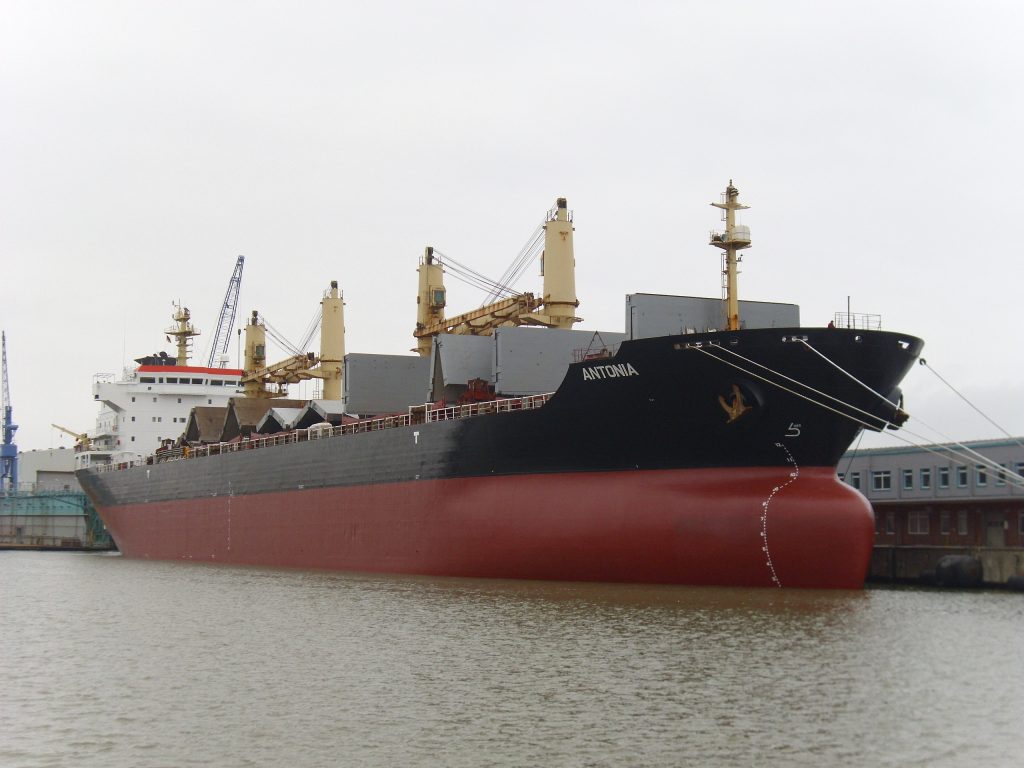
In any conflict between the United States and China, American logistics would be tasked with sustaining forces across lines of communication that span thousands of kilometers while very close to Chinese bases and strongholds. Munitions can only produce combat capabilities if they can successfully reach frontline units, yet currently the United States faces a shipbuilding crises and a shortage of hulls capable of maintaining logistical connectivity in a contested environment.
In this monograph, the authors examine the Effective U.S. Control Fleet as a measure to guarantee logistical capacity is available in the near term, as broader efforts to revitalize the U.S. shipbuilding industry and wider maritime industrial base bear fruit.
Key Takeaways
1. The U.S. faces a critical shortfall in maritime logistical capacity that undermines deterrence against China.
2. The People’s Liberation Army (PLA) is structurally incentivized to attack U.S. logistical capacity.
3. The U.S. maritime industry is also in crisis.
4. The Effective U.S. Control Fleet model offers a solution to this joint logistical-industrial problem.
5. The historical precedent for the EUSC Fleet demonstrates its centrality to responses to previous surges in U.S. sealift demand.
6. Historical changes in U.S. law have made American investments in shipping structurally uncompetitive.
7. Intra-theater logistics is a crucial hole, perhaps even more so than inter-theater lift.
8. Policy changes need to span fiscal, operational, regulatory, and financial lines.
Seth Cropsey is the founder and president of Yorktown Institute.
Barna Peterfi is the Research Director of Yorktown Institute.
Harry Halem is a Senior Fellow at Yorktown Institute.


